About The Disease
What is drug-resistant epilepsy?
It is a condition in which seizures are not adequately controlled despite regular treatment with two or more appropriate anti-epileptic drugs.
What is proper drug treatment?
Select the right drugs, use an adequate dose and for a sufficient duration under the advice of an epilepsy specialist.

How to determine that the seizures have been effectively controlled?
Before starting treatment, the doctor needs to know your longest seizure-free period. After treatment, if this period triples or reaches 12 months (whichever is longer), the medication is considered effective.

Examination and Evaluation of Drug-Resistant Epilepsy
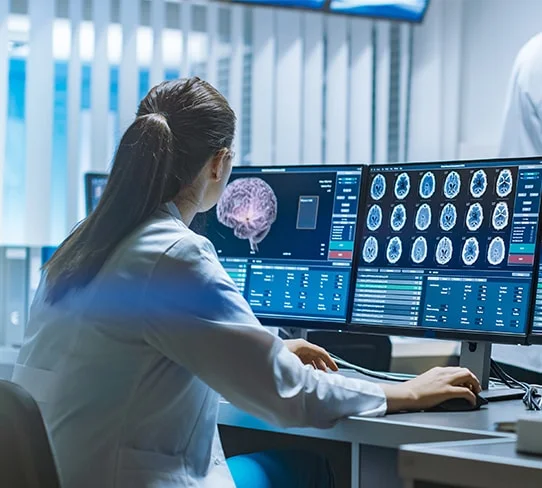
For patients with ineffective medication, referral to a specialized epilepsy center is recommended for further evaluation and treatment planning. Doctors will identify the type of epilepsy and locate the epileptogenic focus using medical history, neurological exams, VEEG, and brain imaging (e.g., MRI). If these methods are inconclusive, invasive techniques like SEEG may be used for further evaluation, aiding in precise localization of the epileptogenic focus and its propagation pattern for better treatment.
Treatment Options for Drug-Resistant Epilepsy
Surgery for Epilepsy: Removing the Seizure Focus
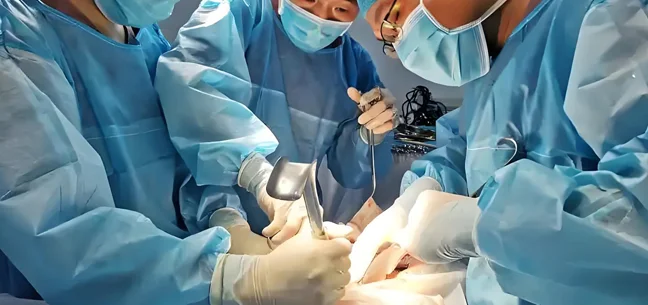
If your doctors can pinpoint the exact area of your brain where seizures begin—and it is not responsible for vital functions like movement, speech, or memory—they may recommend surgery to remove that area. This is called resection surgery. Before the surgery, your medical team will carefully evaluate where your seizures start and whether surgery is safe.
Magnetic Resonance-Guided Laser Interstitial Thermal Therapy (MRgLITT)
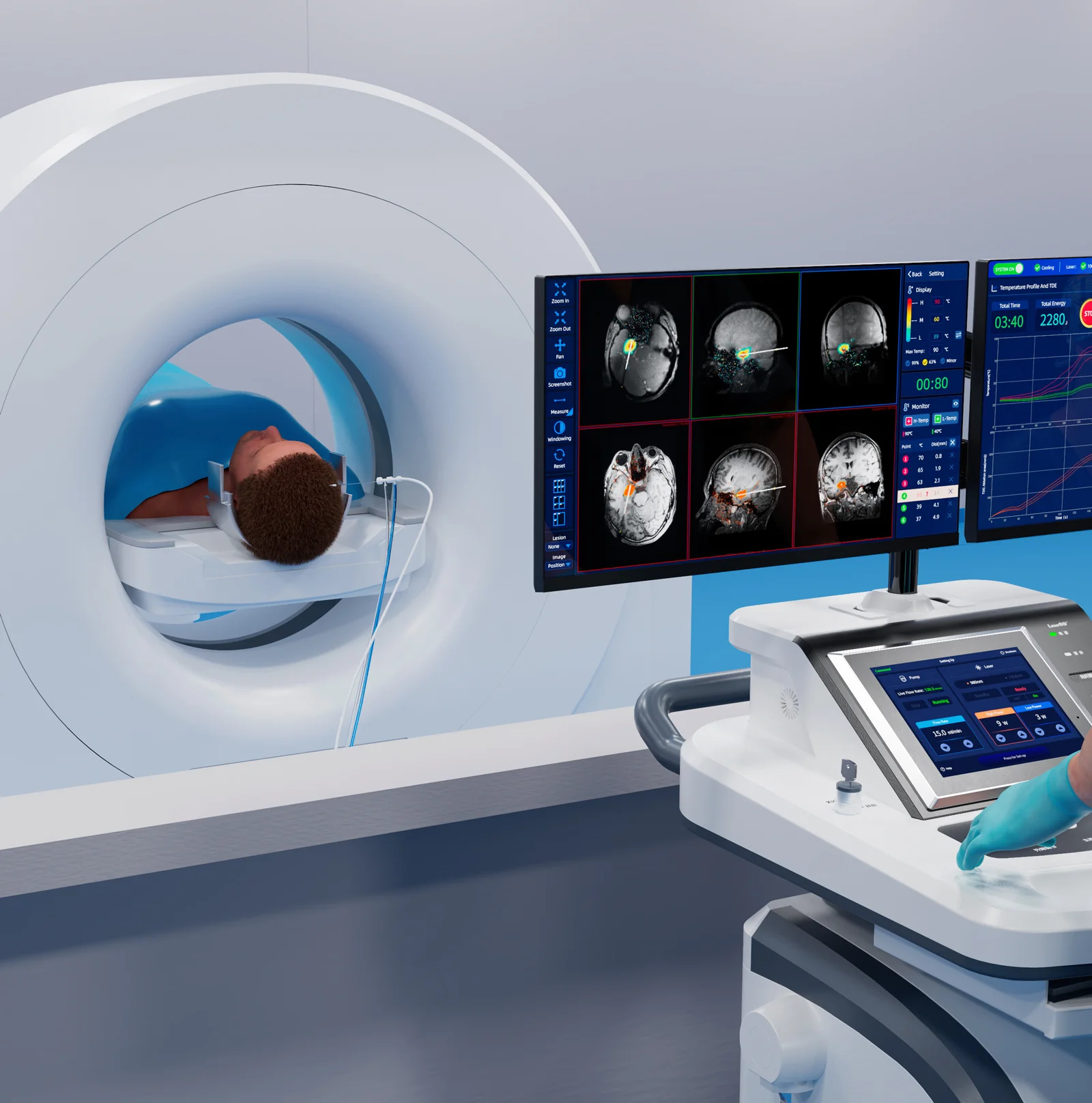
If the location and size of the lesion are appropriate, Magnetic Resonance-guided Laser Interstitial Thermal Therapy (MRgLITT) can also be considered. This is an advanced minimally invasive treatment technique. The doctor will precisely insert a laser-conducting fiber into the epileptogenic zone and thermally ablate the lesion. The advantages of LITT technology include: High precision (under real-time MRI monitoring), Minimal invasiveness (requires only a small incision), Rapid recovery (significantly shortened hospital stay), and Safety (real-time temperature monitoring). MRgLITT provides an efficient and minimally invasive treatment option for patients with drug-resistant epilepsy.
Neuromodulation
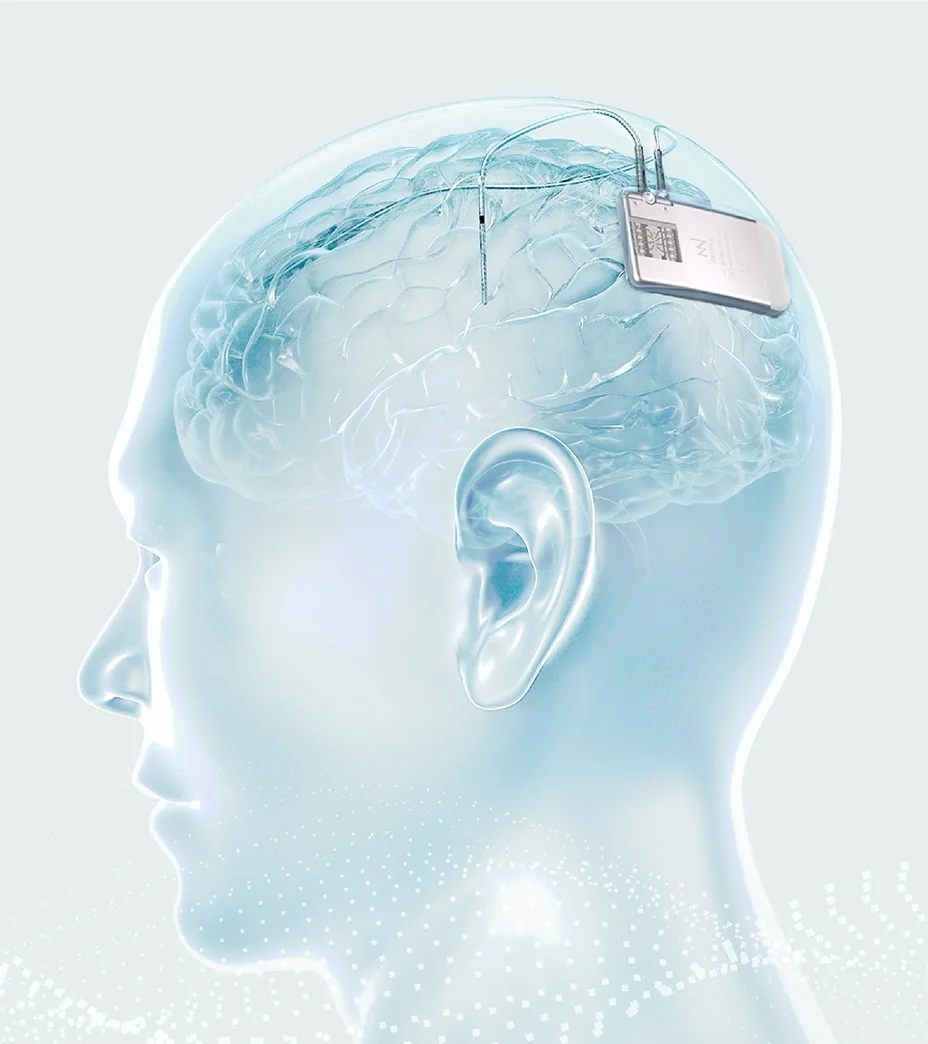
For drug-resistant focal epilepsy, especially in critical brain areas or with unclear/multiple lesions, neuromodulation offers an innovative treatment. Techniques include Responsive Neurostimulation (RNS), Vagus Nerve Stimulation (VNS), and Deep Brain Stimulation (DBS). RNS, the most advanced, uniquely features brain-computer interaction. Unlike continuous stimulation in VNS and DBS, RNS activates only when needed, minimizing side effects. Its real-time EEG monitoring enables doctors to tailor treatment dynamically.